Refinery process and tankage infrastructure

Core EPC

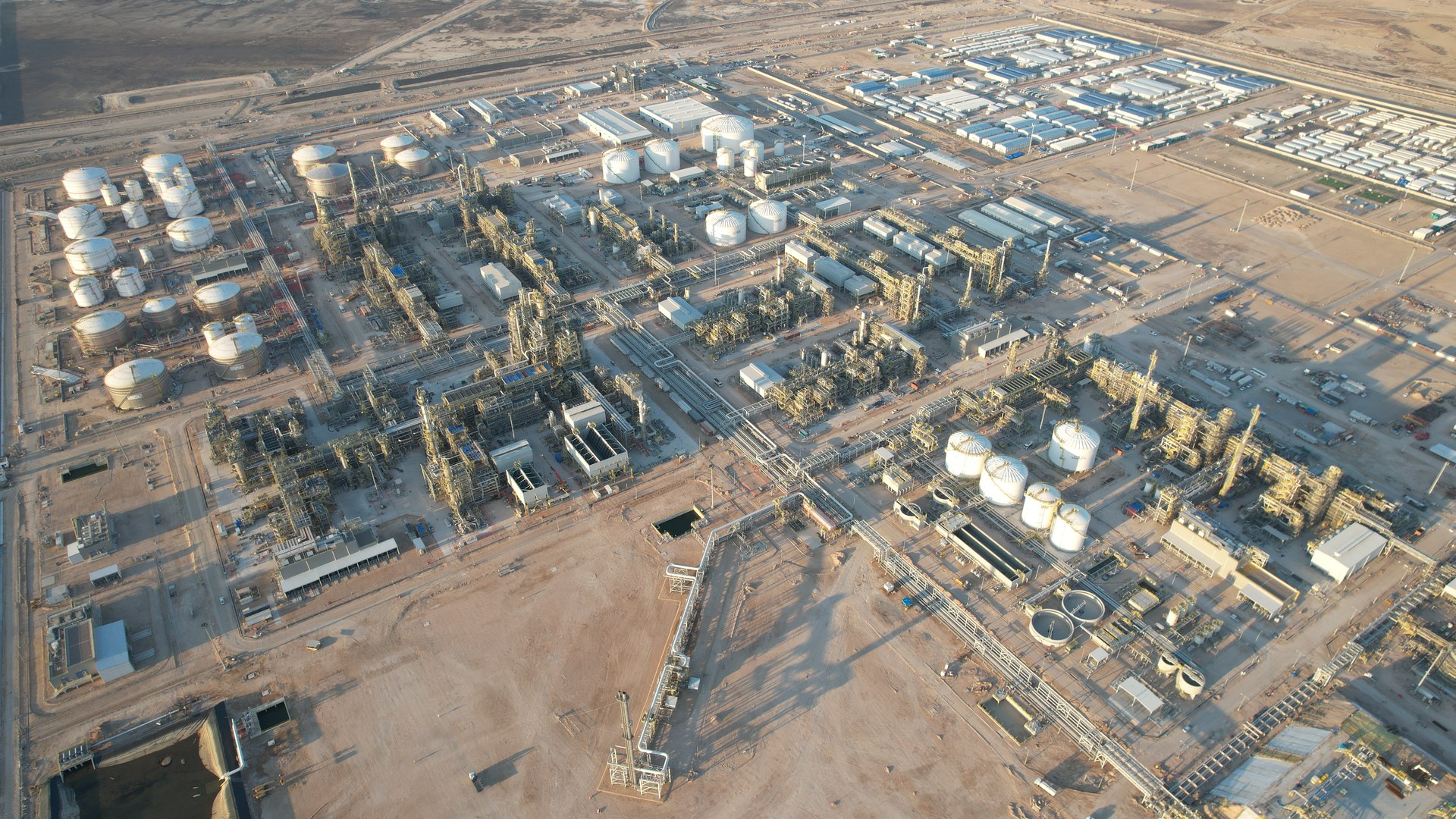
Oil Refineries: EPC for refinery tankage, tank farm packages, and modular process units.

Chemie-Tech delivers EPC across refinery tankage, tank farm packages, modular refining units, and related process infrastructure through engineering discipline, interface control, and major-project experience.

Refinery EPC

Refinery EPC across two distinct execution contexts.

Refinery EPC can include both major refinery tankage delivery and modular refining scope. They sit within the same delivery capability, but each requires a different execution approach.

Refinery Tankage

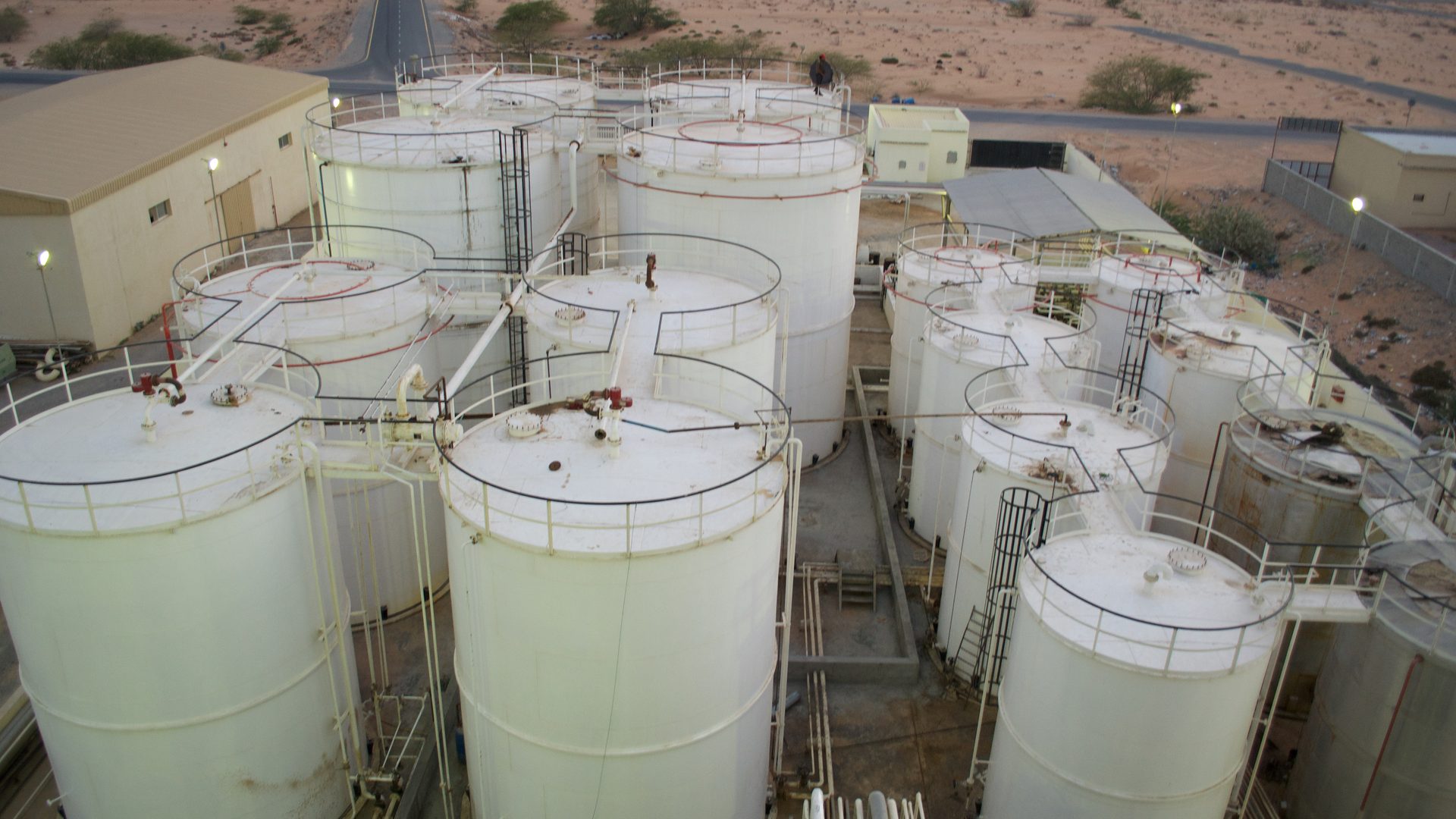
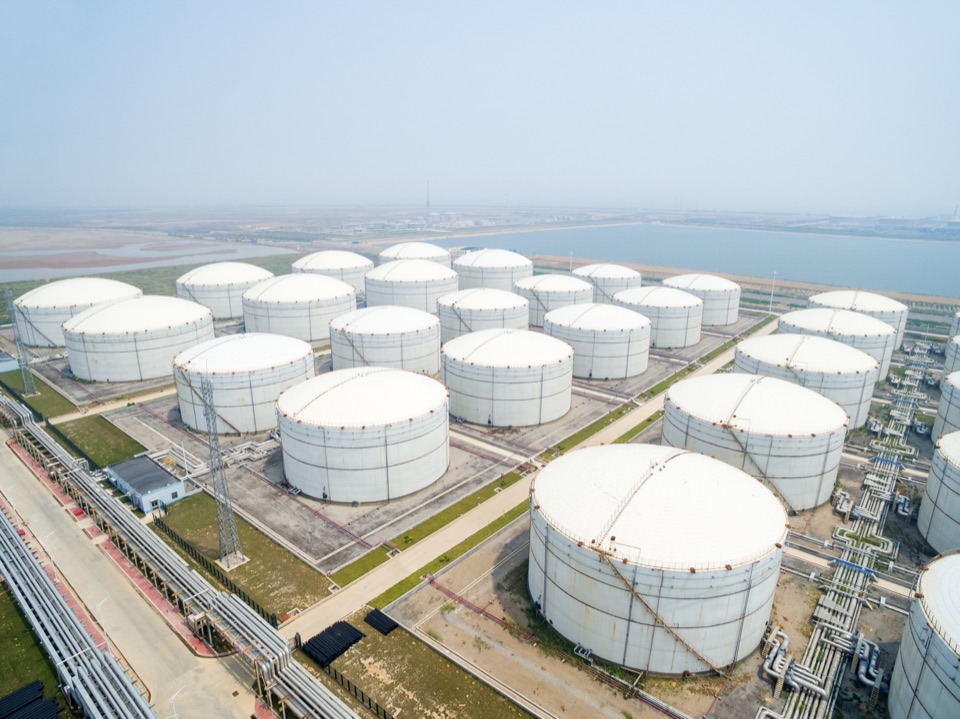
Large tank farm packages inside integrated refinery environments.

Chemie-Tech executes refinery tankage scope where storage systems sit inside larger refinery developments with heavy package interfaces, owner coordination, and prime EPC structures.

These engagements demand disciplined engineering, fabrication control, field execution, and coordinated turnover across crude, intermediate, and product storage systems.

Reference Profile Dangote, Basrah, North Africa and Erbil demonstrate refinery tankage and detailed-engineering experience across major project environments.
Execution Context Defined-scope EPC inside wider refinery frameworks, with strong interface discipline and coordinated package responsibility.
Modular Process Scope

Defined refining units and supporting systems in one execution frame.

Chemie-Tech also undertakes modular refining scope where process units, storage, utilities, firefighting, instrumentation, and commissioning need to be delivered as one coordinated package.

This is a more process-led execution context than tankage alone, requiring practical package definition, operability thinking, and clean integration across units and support systems.

Process Context Defined EPC scope can include modular units, supporting utilities, tank farm integration, and final readiness support.
Boundary Defined EPC scope can cover contractor delivery across modular units, utilities, storage interfaces, and readiness support without changing the delivery role or commercial structure.

Scope of Delivery

Refinery scope across engineering, tankage, process, and handover.

Refinery EPC requires coordinated delivery across tanks, process systems, utilities, control layers, interfaces, and commissioning discipline.

01 Engineering

Package definition and technical control.

Refinery scope begins with FEED logic, detail engineering, tank farm planning, process definition, and execution-ready package structuring.

02 Delivery

Tankage, units, and support systems aligned together.

Storage systems, process units, utilities, firefighting, control layers, and supporting infrastructure are delivered as coordinated refinery scope.

03 Interfaces

Prime EPC and neighbouring-package coordination.

Large refinery projects depend on clean interface management with prime contractors, owner teams, and neighbouring packages.

04 Handover

Commissioning readiness and structured turnover.

Mechanical completion, system readiness, punch closeout, and final turnover support refinery operability at delivery.

Process Sequence

Typical modular process scope within the refinery EPC offer.

Where Chemie-Tech undertakes defined modular refinery delivery, the scope is structured around practical unit integration, utilities, controls, and final operability rather than isolated equipment supply.

01 Feed Preparation

Pretreatment and front-end conditioning.

Defined scope can begin with feed handling, pretreatment, dehydration, and preparation systems positioned ahead of the main refining train.

02 Process Units

Distillation, upgrading, and polishing trains.

The process scope can include modular unit integration around distillation, fractionation, hydro-finishing, treatment, and associated product-quality support systems where project scope requires them.

03 Utilities & Controls

Support systems that make modular scope operable.

Utilities, instrumentation, control layers, firefighting, storage interfaces, and E&I integration are coordinated as part of one refining-delivery frame.

04 Storage & Handover

Tank farm integration and readiness support.

Storage connection, loading interfaces, commissioning readiness, punch closeout, and structured turnover support final operability at delivery.

Delivery Context

Refinery delivery depends on clear scope boundaries and interface control.

Chemie-Tech supports refinery programmes where contractor scope, owner interfaces, neighbouring packages, and turnover requirements must be defined early and managed with discipline through engineering, construction, and commissioning.

Execution Priorities

Successful refinery delivery depends on package definition, interface ownership, safety governance, and commissioning readiness across tankage, process systems, utilities, and handover.

Scale Snapshot

Refinery delivery supported by major project references.

Large tankage packages, modular process scope, and major-project delivery context frame Chemie-Tech's refinery EPC position.

36.8 million bbl Largest Tankage Reference
154 Tanks at Dangote
12,000 BPD Modular Refinery Reference
20M LTI-Free Manhours

Selected References

Selected refinery references.

Refinery references spanning mega-scale tankage, defined consortium delivery, modular refining scope and multi-discipline process-unit engineering.

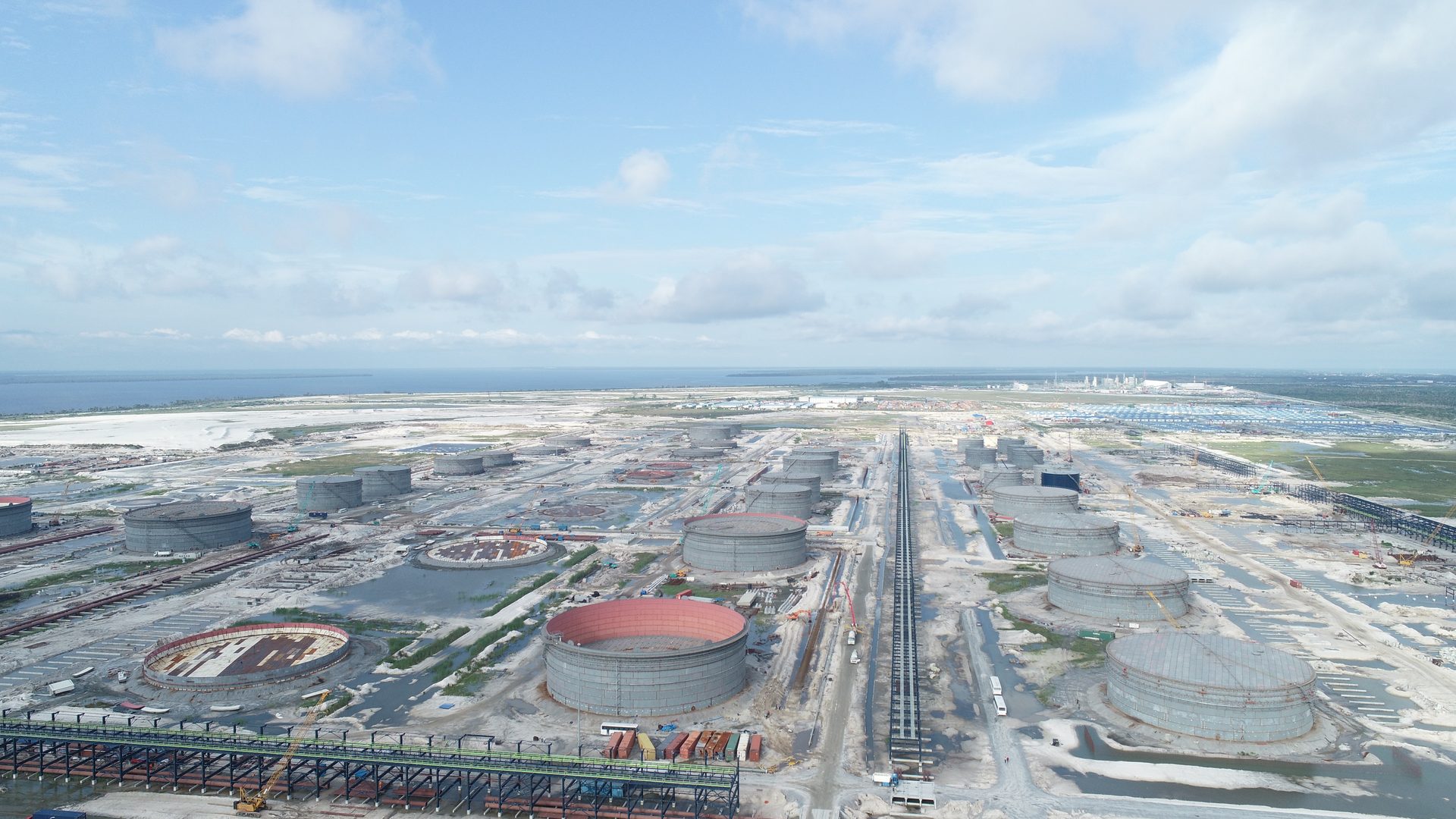
Dangote refinery tankage reference
Flagship Reference

Lagos, Nigeria

Dangote Refinery & Petrochemical Tankage

Chemie-Tech’s scope covered Tankage Packages I–III, comprising 154 tanks with an aggregate capacity of 36.8 million bbl.

154 Tanks
36.8 million bbl Capacity
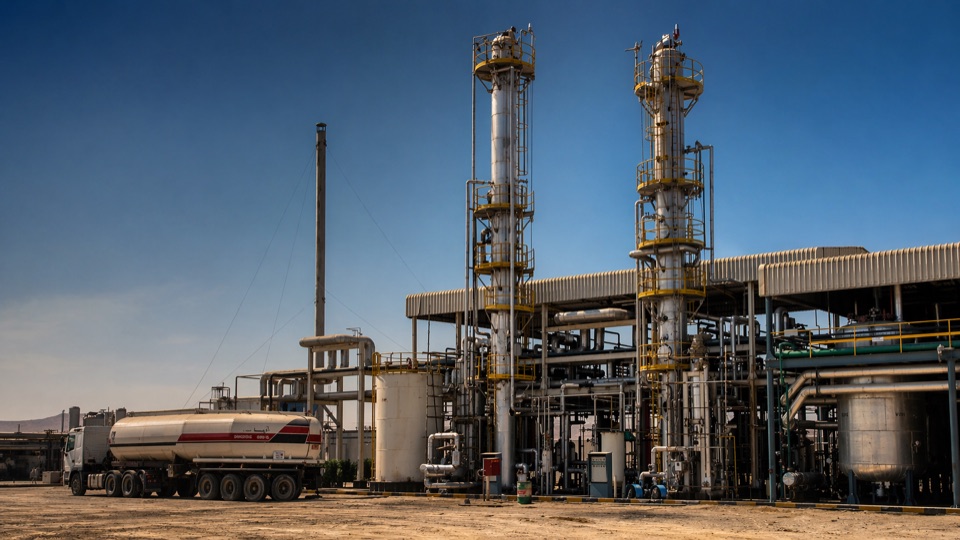
Refinery process unit with distillation columns, pipework and supporting facilities
Detailed Engineering

Erbil, Kurdistan, Iraq

Base Oil Hydrotreating Refinery: Erbil HTU

Six-discipline detailed design and engineering for the Hydrogen Treating Unit, including a clash-checked 3D model, SCADA/DCS and ESD engineering, and substation design carrying HPU loads.

6 Disciplines
Lump Sum Delivery
Basrah refinery tankage reference
Refinery Tank Farm

Basrah, Iraq

Basrah Refinery Upgrading: Tank Farm

Defined-scope EPC for refinery tankage delivered within a major consortium setting, supported by strong safety performance and structured refinery interface control.

50 Tanks
20M LTI-Free Manhours
OilTech modular refinery process facility reference
Modular Process Scope

UAE

Oiltech 12,000 BPD Modular Refinery

Defined EPC scope for a modular refinery facility, covering process units, supporting utilities, storage integration, and coordinated commissioning readiness.

12,000 BPD Process Capacity
Integrated Units & Utilities

Next Step

Review refinery project references and related assets.

Continue to the project portfolio or the refining and process assets connected to this delivery scope.

Aerial view of a large oil storage terminal

Projects

Selected project references

Explore the wider EPC reference base behind the refinery projects highlighted here.

View Project References
Chemie-Tech refining assets and industrial perspective

Strategic Assets

Refining & process assets

Review the broader refining and process context connected to Chemie-Tech's industrial perspective.

Explore Refining Assets

Refinery Packages & Interfaces

Refinery packages and interfaces.

Chemie-Tech delivers two refinery lanes: large tank-farm packages inside integrated refinery environments, and modular refining units with related process infrastructure. Tankage is built to API 650 and API 620 with associated ASME and API standards.

Packages and delivery model

Defined-scope EPC inside wider refinery frameworks, with strong interface discipline and prime-EPC coordination across engineering, delivery, interfaces, and handover.

Relevant experience

Relevant refinery tank-farm experience includes Chemie-Tech’s scope for Dangote Tankage Packages I–III: 154 tanks with an aggregate capacity of 36.8 million bbl.

Discuss Refinery Scope

Discuss refinery tankage or process scope.

For refinery tankage, modular process scope, and related EPC requirements, connect directly with the team to discuss delivery structure, scope fit, and next steps.

Connect with the team to discuss package logic, refinery scope, execution requirements, and next steps.

Discuss Refinery Scope